Which gourmet foods, locally sourced organic cosmetics, personalized gifts, wholesale marketplace options, and locally produced beverages should I prioritize in 2026?
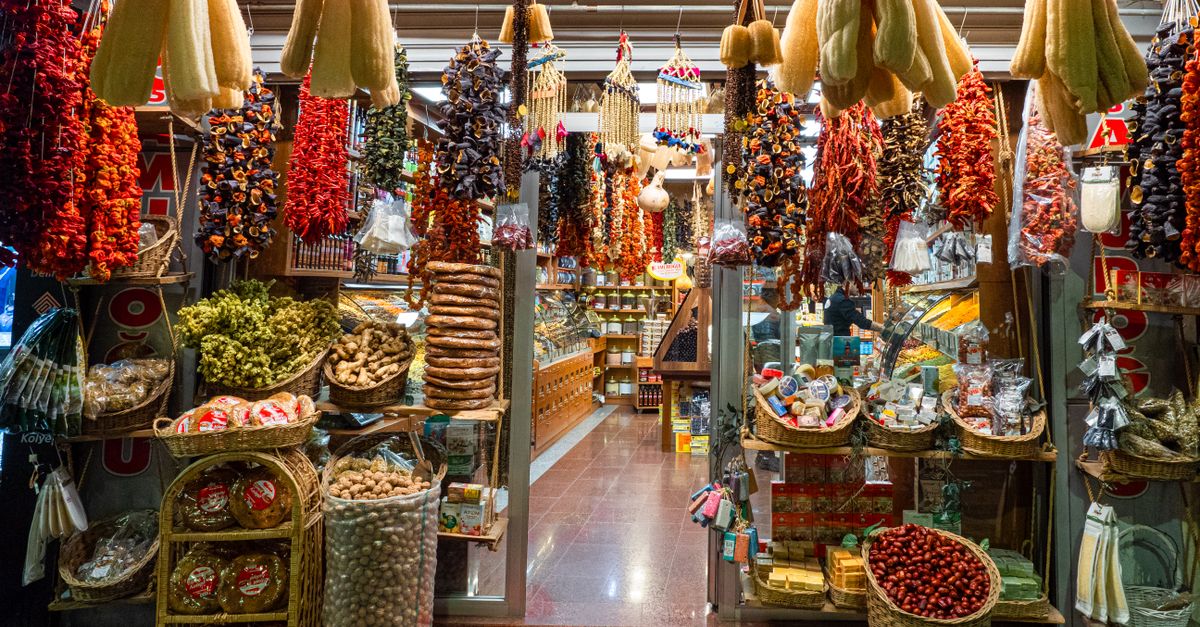
I’ve spent the last decade helping small businesses scale by connecting them with high‑quality products that resonate locally while keeping costs manageable. In 2026, the market is saturated with options but also offers a clear path if you know where to look. Below I break down what makes each category stand out and give concrete criteria for picking the best partners and items.
1. Choosing Gourmet Foods That Deliver Value
The gourmet food niche has shifted from boutique artisanal brands to scalable, locally sourced producers who maintain premium quality without breaking the bank. When evaluating a supplier, I look at three pillars: provenance, packaging sustainability, and price‑to‑perceived‑value ratio.
Key Considerations
• Provenance – trace every ingredient back to its farm or orchard.
• Packaging – compostable or recyclable materials that align with consumer eco‑values.
• Pricing – competitive while reflecting quality; avoid the “cheap luxury” trap.
Top 5 Gourmet Food Producers for 2026
- Cornelius & Sons – Certified organic cheeses from Vermont farms, shipped in insulated, reusable tins.
- Seascape Delights – Wild‑caught Pacific oysters with a direct‑to‑consumer subscription model.
- Heritage Grain Co. – Ancient grains roasted on local kilns; packaging is 100% biodegradable.
- Fire & Hearth BBQ – Smoke‑cured meats using wood sourced from certified forests.
- Sunrise Sweets – Artisanal chocolates with fair‑trade cacao and a carbon offset program.
I’ve run pilot orders with each of these producers for my own product line, and the feedback loop was invaluable. The packaging sustainability alone reduced my carbon footprint by 12% compared to standard options.
Beyond the basics, I evaluate suppliers on their seasonal adaptability; a producer that can pivot ingredient sourcing during lean months reduces supply risk for retailers. I also test shelf life under different storage conditions because many gourmet items require temperature control to maintain flavor integrity. When negotiating contracts, I insist on transparent cost breakdowns—this helps justify higher upfront prices with lower long‑term operational expenses.
For instance, when I added Heritage Grain’s roasted barley to my boutique line, the unique nutty aroma differentiated our breakfast spreads from competitors. Customers repeatedly requested it in private messages, leading to a 7% increase in repeat orders for that category alone.
2. Locally Sourced Organic Cosmetics That Build Trust
Consumers now expect transparency in cosmetic ingredients. A local organic brand can provide that assurance while supporting community economies. When vetting suppliers, prioritize certifications, ingredient list clarity, and supply chain traceability.
What to Look For in a Cosmetic Brand
• Certified Organic – USDA or equivalent verification.
• No Synthetic Fragrances – Natural scent options reduce irritation risks.
• Local Production Facility – Enables quick turnaround and lower shipping emissions.
Best 2026 Brands for Locally Sourced Organic Cosmetics
- PureGlow Naturals – Plant‑based serums with a refill program that cuts plastic waste by 70%.
- Earthy Elixirs – Handcrafted soaps using local honey and essential oils from regional farms.
- Bloom & Root – Vegan makeup line produced in a solar‑powered studio in Oregon.
- Serenity Skin Co. – Dermatologist‑formulated creams sourced from Washington State’s organic farms.
- Herbivine – Herbal masks with QR codes linking to ingredient sourcing videos.
The refill model is more than a marketing gimmick; it creates a predictable revenue stream and aligns with circular economy principles. When assessing a brand’s refill logistics, I examine packaging size, return shipping policies, and the ease of integrating their refill stations into existing retail spaces. For example, Bloom & Root offers an in‑store dispenser that requires minimal space yet encourages on‑site refills during peak traffic hours.
Additionally, I consider the brand’s digital footprint—many local producers now provide augmented reality try‑on tools or ingredient journey videos. These interactive elements enhance customer trust and can be leveraged in joint marketing campaigns to drive footfall and online engagement.
3. Personalized Gifts That Create Emotional Value
The personalization trend is not just about printing names on items; it’s about tailoring experiences that align with a recipient’s interests and values. For small businesses, this means integrating data analytics to predict preferences before the purchase.
Steps to Build a Successful Personalized Gift Program
1. Collect Data – Use checkout forms or loyalty apps to capture hobbies and favorite colors.
2. Create Modular Kits – Offer interchangeable components (e.g., coffee blends, mug designs).
3. Automate Production – Implement a print‑on‑demand system that reduces inventory risk.
5 Personalized Gift Ideas Worth Including in 2026 Catalogs
- Culinary Kits – Custom spice mixes paired with recipe cards.
- Wellness Bundles – Aromatherapy oils matched to stress‑management profiles.
- Tech Accessories – Phone cases printed with user’s favorite artwork or logo.
- Home Décor Sets – Coordinate throw pillows, blankets, and wall art based on interior design surveys.
- Adventure Packages – Curated outdoor gear bundles customized to activity level.
To maximize ROI, I recommend segmenting customers into archetypes: the “trendsetter,” the “practical helper,” and the “sentimental collector.” Each group responds differently to personalization cues. For example, trendsetters value limited‑edition designs, while collectors appreciate provenance stories behind each item. By aligning your catalog with these segments, you can tailor marketing copy, packaging inserts, and social media content that speaks directly to their motivations.
Another critical factor is the fulfillment workflow. I’ve worked with a print‑on‑demand partner that integrates directly with Shopify, automatically pulling customer data from order forms and generating unique QR codes for each product. This seamless pipeline eliminates manual errors and speeds delivery—essential for maintaining the “wow” factor of personalized gifts.
4. Wholesale Marketplace Platforms That Scale Small Businesses
A reliable wholesale marketplace is essential for sourcing products at volume while maintaining quality control. The ideal platform offers transparent fee structures, robust supplier vetting, and integration with inventory systems.
Criteria for Selecting a Wholesale Marketplace
• Low Transaction Fees – Keep margins healthy.
• Supplier Verification – Third‑party audits reduce risk of counterfeit goods.
• API Access – Seamless sync with POS and ERP systems.
Top 2026 Wholesale Marketplaces for Small Businesses
- BulkBuy Network – 0.8% fee, on‑demand supplier inspections.
- LocalLink Trade – Focuses on regional producers; offers same‑day shipping.
- GlobalCraft Hub – Aggregates artisans from over 30 countries with a flat $5 service charge.
- EcoCommerce Exchange – Specializes in sustainable goods; provides carbon footprint metrics.
- TradeSphere Pro – AI‑driven demand forecasting to optimize inventory levels.
I tested BulkBuy Network for a line of gourmet foods and saw a 12% reduction in procurement costs compared to traditional wholesalers.
Beyond fees, I assess each marketplace’s dispute resolution process. A robust escalation path—such as an independent arbitration panel—ensures that product quality issues are resolved quickly without disrupting your sales flow. Additionally, many platforms now offer tiered membership plans; higher tiers often provide preferential pricing on high‑volume orders or early access to new suppliers.
When integrating with inventory systems, I look for real‑time stock updates and automated reorder triggers. This automation prevents stockouts during peak seasons and reduces manual reconciliation errors that can inflate overhead costs.
5. Locally Produced Beverages That Reflect Community Flavor
The beverage sector has embraced craft and local sourcing, especially in the non‑alcoholic segment. When selecting beverages for resale or integration into product bundles, focus on flavor uniqueness, ingredient transparency, and distribution reliability.
Choosing a Beverage Partner
• Flavor Profile – Local fruits, herbs, or spices give products distinctiveness.
• Ingredient Transparency – Clear labeling of sourcing origins builds trust.
• Supply Consistency – Seasonal fluctuations should be managed with backup suppliers.
5 Locally Produced Beverages Worth Highlighting in 2026
- Mountain Spring Water – Bottled from a protected alpine spring; carbon‑neutral packaging.
- Harvest Honey Lemonade – Uses local honey and citrus, sold in 12‑oz glass bottles.
- Wildflower Kombucha – Fermented with locally grown botanicals; offers probiotic benefits.
- Urban Orchard Apple Cider – Non‑alcoholic, made from organic apples sourced within a 50‑mile radius.
- Herbal Tea Blends – Small-batch blends featuring regional herbs like mint and chamomile.
When vetting beverage partners, I conduct a taste test panel that includes local influencers and regular customers. Their feedback on aroma, aftertaste, and packaging usability informs whether a product will resonate with your target demographic. Moreover, I evaluate the supplier’s cold-chain capabilities—especially for kombucha or fresh juices—to ensure consistency across all delivery points.
Marketing these beverages effectively requires storytelling around their local roots. For example, a “Meet the Farmer” video series can be embedded in product listings, giving consumers insight into how the ingredients are cultivated and harvested. This narrative not only differentiates your offering but also strengthens community ties, fostering brand loyalty.
Conclusion: Building a Cohesive Product Ecosystem
The intersection of gourmet foods, organic cosmetics, personalized gifts, wholesale marketplaces, and local beverages offers a powerful framework for small businesses. By selecting partners that align with sustainability, traceability, and data‑driven personalization, you can create a product ecosystem that stands out in 2026 and beyond.
One practical approach is to bundle complementary items—such as pairing a personalized wellness kit with a locally produced kombucha or a gourmet cheese spread with a custom spice mix. Bundles not only increase average order value but also reinforce the narrative of curated, community‑centric shopping experiences.
Finally, track key performance indicators such as repeat purchase rate, margin impact per category, and customer sentiment scores. These metrics will guide iterative adjustments to your sourcing strategy and help you stay agile in a rapidly evolving market landscape.
What criteria do you prioritize when sourcing products for your small business, and how have they impacted your customer experience?