What are the differences between custom‑made products, farmers market goods, local print merchandise, and fitness gear?
I’ve spent years helping small businesses decide where to source their inventory. Whether you’re a craftsperson, a boutique retailer or an online brand, the choice between custom‑made products, farmers market goods, locally printed merchandise, and fitness gear can shape your cost structure, branding, and customer experience.
Custom‑Made Products: Tailored for Your Brand
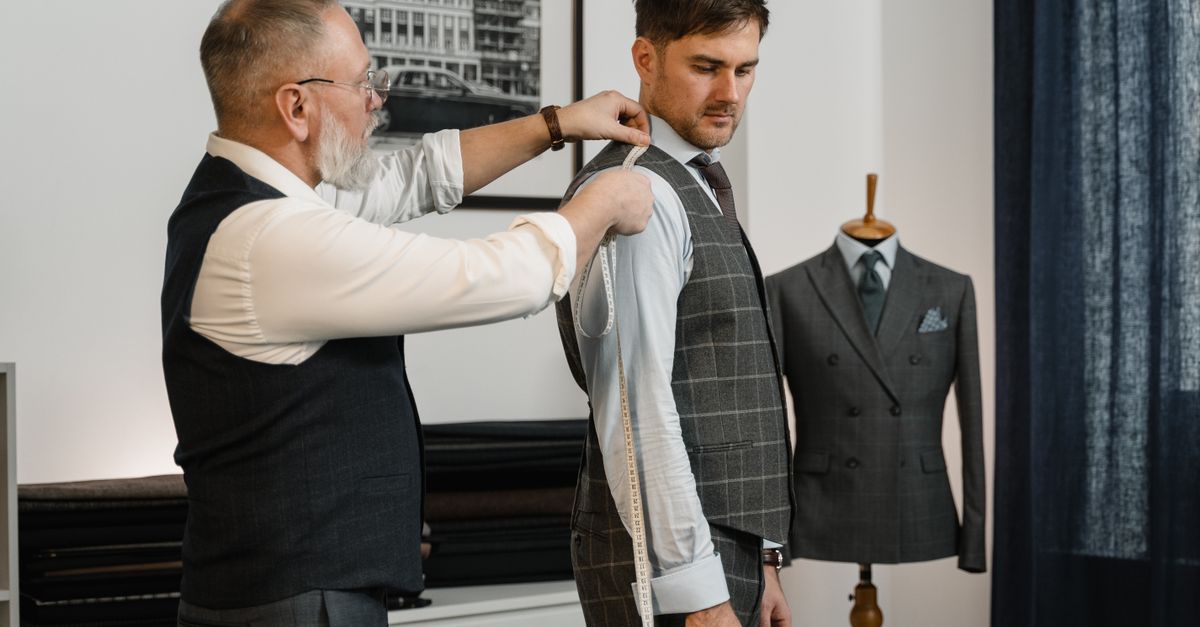
Custom‑made items are built to order. They let you control every detail—material, color, size, packaging. For a brand that needs differentiation, this is the path to exclusivity.
You’ll pay more per unit than mass‑produced goods, but you gain flexibility and often faster turnaround if you work with a local artisan or a small manufacturing partner. The downside? Scaling requires building new relationships or investing in tooling.
Key Decision Factors
- Brand Identity: Need a signature look?
- Volume: Small runs vs large orders.
- Lead Time: How quickly do you need stock?
- Quality Control: Can you audit the process?
- Cost Structure: Will per‑unit cost justify markup?
When you’re ready to move beyond generic items, custom‑made products let you tell a story that resonates with your audience.
Consider collaborating closely with craftsmen who can prototype prototypes in days rather than weeks. For example, a small leather goods brand might work with a local tanner to create a unique finish that becomes part of its visual identity. By sharing the design process on social media, you also give customers insight into the craftsmanship behind each piece.
Farmers Market Products: The Freshness Advantage
Farmers markets bring local produce, handcrafted foods, and artisanal goods straight from the source. They appeal to consumers who value traceability, seasonal variety, and community connection.
The pricing can be higher because of the small‑scale production, but you also gain a built‑in marketing narrative—“locally sourced,” “seasonal,” “handcrafted.” For many small retailers, stocking farmers market items is a way to differentiate without needing a full product line.
Benefits for Small Businesses
- Community Trust: Customers see the producer.
- Seasonality: Rotate inventory with the seasons.
- Low Startup Cost: No upfront manufacturing investment.
- Flexible Stocking: Order as needed, reduce waste.
- Cross‑Promotion: Pair local foods with your own products.
If your brand values authenticity and you’re willing to handle variable supply, farmers market goods can be a powerful addition.
Establishing regular relationships with vendors can also give you early access to new items. Many growers are open to customizing packaging—adding your logo or a QR code that links to your online store—to strengthen brand consistency. Seasonal bundles (e.g., “Summer Berry Pack” or “Harvest Spice Set”) can drive impulse purchases and encourage repeat visits.
Locally Printed Merchandise: From T‑Shirts to Branded Gear
Print‑on‑demand (POD) services let you launch apparel or accessories without inventory. You upload designs; the supplier prints and ships when orders come in.
This model is great for testing new concepts, running limited editions, or offering customer‑customized items. If you need bulk production with a tight timeline, local screen‑printing shops can deliver faster than overseas POD providers.
Choosing the Right Printing Partner
- Print Quality: Check sample prints for bleed and color fidelity.
- Material Options: Organic cotton vs polyester blends.
- Shipping Speed: How long to ship from local vs overseas?
- Minimum Order Quantity (MOQ): Does it fit your budget?
- Sustainability Practices: Eco‑friendly inks, waste management.
In my experience, a local screen printer who offers quick turnaround and quality samples saved me months of trial and error on a product launch.
When preparing files for print, keep in mind the recommended bleed area and color mode (CMYK). Providing vector artwork ensures crisp edges even after multiple washes. Local printers often accept PDF or AI files directly, whereas overseas POD platforms may require specific file formats, which can delay production.
Fitness Gear: Standards, Materials, and Market Expectations
The fitness category includes apparel, equipment, accessories, and tech wearables. Buyers expect durability, comfort, and certifications (e.g., ASTM for gear).
Unlike other categories, fitness gear often requires compliance testing—thermal protection, anti‑slip features, or moisture‑wicking fabrics. If you’re sourcing overseas, factor in certification costs and shipping times.
Common Mistakes When Sourcing Fitness Equipment
- Ignoring Material Specs: Cheap polyester can degrade faster.
- Overlooking Safety Standards: Missing certifications leads to recalls.
- Underestimating Shipping Weight: Bulk gear is costly to ship.
- Neglecting Brand Cohesion: Inconsistent design dilutes brand.
- Failing to Test Samples: Skipping trials can cause returns.
If you plan to sell fitness gear online, start with a few vetted suppliers and scale only after confirming quality meets customer expectations.
Beyond basic fabric choices, consider functional features like reinforced seams for high‑impact sports or reflective detailing for nighttime training. Many consumers now pair performance apparel with style, so offering athleisure options—like breathable joggers or hoodies with subtle branding—can broaden your appeal. Always verify that the supplier can provide product certifications and a clear traceability chain.
Wholesale Marketplace for Small Businesses: Leveraging Platforms
A wholesale marketplace connects buyers to vetted suppliers in one place. For small brands, it reduces research time and offers competitive pricing through bulk deals.
Key players in 2026 include platforms that integrate API feeds with your e‑commerce store, automate inventory updates, and provide analytics on sales performance. Selecting a marketplace that supports the product categories you’re interested in is crucial.
Steps to Join a Wholesale Marketplace
- Define Your Niche: Custom products, local merch, fitness gear?
- Research Platforms: Compare fees, supplier vetting, integration options.
- Create a Seller Profile: Highlight product quality and brand story.
- Upload Product Listings: Use high‑quality images and detailed specs.
- Set Pricing Strategies: Account for wholesale margin vs. retail markup.
A well‑chosen marketplace can streamline procurement, reduce lead times, and provide data to inform marketing decisions.
Many marketplaces now offer real‑time order tracking dashboards, allowing you to see which SKUs sell fastest across different regions. By analyzing these insights, you can adjust inventory levels or push promotional campaigns on the channels that deliver the highest conversion rates.
Integrating Custom, Local, and Wholesale Channels into Your Supply Chain
The most resilient small businesses use a hybrid model: custom‑made items for core branding, local prints for seasonal drops, farmers market goods for community engagement, and wholesale marketplace sourcing for scale.
Your workflow should include inventory management software that tracks stock levels across channels, automated reordering for fast‑turnover items, and clear labeling to avoid mix‑ups. Marketing messages must align with each channel’s strengths—e.g., “handcrafted” vs. “eco‑friendly print.”
Best Practices for Multi‑Channel Sourcing
- Centralize Data: Use a single ERP or spreadsheet to avoid silos.
- Set Reorder Points: Different lead times require different safety stocks.
- Audit Suppliers Regularly: Maintain quality across custom and wholesale partners.
- Use Analytics: Track which channels drive the most profit.
- Stay Flexible: Pivot quickly if a supplier fails or demand shifts.
Which sourcing strategy has worked best for your business, and why?