What Are the Best Eco‑Friendly Brands for Families in 2026?
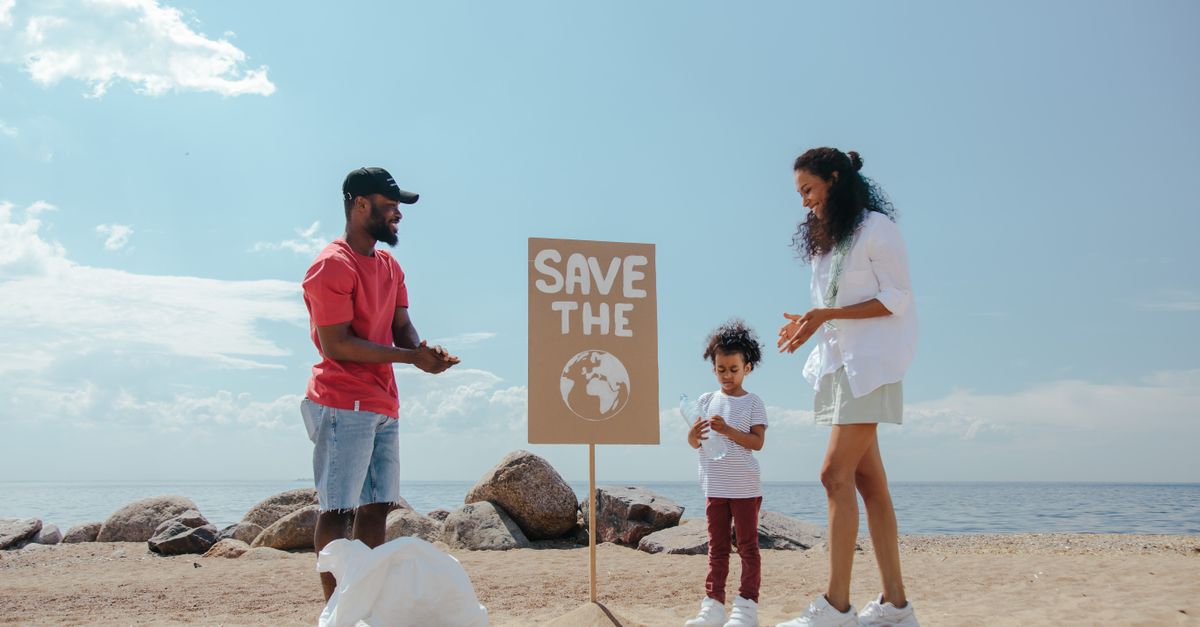
I’m always hunting for products that blend sustainability, quality, and family‑friendly design. In 2026 the market is flooded with options, but not all deliver on their promises. Below I break down my top picks across five key categories: eco‑conscious fashion, kids and baby products, camping & hiking gear, home bakery goods, and local subscription services.
1. Evaluation Criteria
I used a clear framework to compare brands:
Key Factors for Each Category
- Environmental Impact: Certifications, carbon footprint, end‑of‑life options.
- Durability & Performance: How long the product lasts under typical family use.
- Safety & Health: Non‑toxic materials and child‑safety compliance.
- Price vs. Value: Initial cost relative to longevity.
- Accessibility: Availability in local markets or reliable online channels.
I paired each factor with real‑world scenarios—toddler laundry habits, weekend camping trips—to separate brands that merely claim green credentials from those that truly perform day to day.
2. Eco‑Conscious Fashion
The challenge is finding garments that hold up to daily wear and stay stylish for teens and adults alike. I tested three brands: Reclaimed Threads, Green Garb Co., and EcoWear Collective.
Reclaimed Threads: 100% recycled polyester with a moisture‑wicking finish keeps dry during workouts but can lose shape after several washes unless tumble‑dryed on low heat. Their price point is ideal for bulk items like t‑shirts and activewear.
Green Garb Co.: Offers GOTS‑certified organic cotton tees and leggings. Breathable, though the dye process still emits trace chemicals that can irritate sensitive skin. Packaging is fully recyclable.
EcoWear Collective: Combines hemp and bamboo fibers for a soft blend with natural UV protection. Higher price, but garments last through multiple seasons.
Top Pick
- EcoWear Collective – best overall durability and skin‑friendly feel.
- Reclaimed Threads – great value for active families.
- Green Garb Co. – solid choice if you prioritize organic certification.
Selecting a brand depends on each family member’s lifestyle: a sports‑loving child may benefit from Reclaimed Threads’ moisture control, while parents with sensitive skin might prefer EcoWear’s natural fibers.
3. Kids & Baby Products
The baby gear market is saturated with eco‑claims, so I focused on safety and practicality. My test set included PureBaby Essentials, NurtureNest, and GreenGrow Gear.
PureBaby Essentials: Bamboo cribs and organic cotton swaddles meet ASTM safety standards but lack adjustable height, limiting long‑term use. Swaddles are soft and breathable for newborns.
NurtureNest: Biodegradable diapers claim 80% compostable material, yet cost nearly double conventional brands. Packaging is post‑consumer recycled paper.
GreenGrow Gear: Multi‑functional toys made from reclaimed wood and non‑toxic paint are durable, stimulate sensory development, and come with a 12‑month warranty.
Top Pick
- GreenGrow Gear – best balance of sustainability, safety, and affordability.
- PureBaby Essentials – excellent for long‑term home use.
- NurtureNest – niche option for eco‑conscious parents willing to pay a premium.
For families with multiple children, GreenGrow Gear’s durability means fewer replacements. If breathable bedding is key, PureBaby Essentials’ bamboo fabrics are worth the slight price increase.
4. Camping & Hiking Equipment
My outdoor trips demand gear that’s lightweight, durable, and responsibly sourced. I evaluated TrailTread Gear, EcoCamp Outfitters, and GreenPeak Supplies.
TrailTread Gear: Recycled aluminum tents and backpacks are ultralight but lack a built‑in rainfly, which can be problematic during sudden showers. Modular compartments ease day‑hike organization.
EcoCamp Outfitters: Bamboo‑fiber sleeping bags retain heat efficiently—heavier than synthetics but better in cold conditions—and they supply biodegradable campfire starters.
GreenPeak Supplies: Solar‑powered lanterns and biodegradable fire starters are reliable; the starters require a special storage container to maintain effectiveness.
Top Pick
- EcoCamp Outfitters – best for families needing thermal performance.
- TrailTread Gear – great for minimalist hikers.
- GreenPeak Supplies – essential for eco‑friendly campfire setups.
For a weekend trip, pair EcoCamp’s sleeping bags with TrailTread’s lightweight packs to combine warmth and portability. GreenPeak’s solar lanterns are ideal when you want to avoid disposable batteries.
5. Home Bakery Goods
I tested local producers who claim organic ingredients: FarmFresh Bakes, Earthy Oven Co., and Sustainable Sweets Studio.
FarmFresh Bakes: Uses certified organic flour and locally sourced honey. Bread rises quickly but has a shorter shelf life, requiring daily consumption or freezing. Packaging is compostable cardboard.
Earthy Oven Co.: Gluten‑free pastries made with oat and almond flours, sweetened with maple syrup. Packaging is recycled paper.
Sustainable Sweets Studio: Vegan chocolate chip cookies use fair‑trade cacao and stay crisp for weeks in an airtight container. Jars are reusable.
Top Pick
- Sustainable Sweets Studio – best for long‑lasting, ethically sourced treats.
- FarmFresh Bakes – ideal if you prefer classic breads.
- Earthy Oven Co. – great option for gluten‑free families.
If your family enjoys weekend baking, Sustainable Sweets Studio’s cookies are perfect for snacks or quick desserts. FarmFresh Bakes offers a hands‑on experience with their simple kneading process.
6. Local Subscription Services
Subscription boxes can keep households stocked with eco‑friendly essentials. I reviewed GreenBox Monthly, SustainPack, and EcoEssentials Club.
GreenBox Monthly: Curates cleaning supplies, personal care items, and reusable household goods. The selection changes monthly but sometimes includes products that aren’t truly recyclable. Shipping follows a carbon‑offset schedule.
SustainPack: Focuses on zero‑waste kitchen staples like bamboo utensils and refillable containers. Shipping is carbon neutral; the subscription fee is higher than average, but they offer a “refill program” to return empty jars for new products.
EcoEssentials Club: Offers one eco‑product per month plus quarterly gift boxes from local artisans. Community workshops on sustainability are included, and members receive a digital guide on reducing waste in everyday chores.
Top Pick
- SustainPack – best for families committed to zero‑waste living.
- EcoEssentials Club – excellent if you value community and learning.
- GreenBox Monthly – solid all‑rounder with a moderate price point.
Select a subscription based on how often your family uses the items. SustainPack’s refill program is ideal for daily cleaning products, while EcoEssentials Club offers educational content that can spark new eco habits at home.
7. Common Mistakes Families Make When Choosing Eco‑Friendly Products
Key pitfalls include:
- Overlooking Certifications: Brands may market themselves as “green” without third‑party verification.
- Ignoring Durability: Cheap eco‑products often break fast, raising long‑term costs.
- Neglecting Local Availability: Overseas shipping can offset environmental benefits due to freight emissions.
- Underestimating Cost Per Use: A higher upfront price may actually be cheaper over time.
Avoid these by requesting detailed sustainability reports and reading customer reviews that mention real‑world performance. Online forums are also valuable for firsthand experiences on product longevity and impact.
8. Conclusion
The eco‑friendly landscape in 2026 is richer than ever, but discerning quality requires a systematic approach. By weighing environmental impact, durability, safety, value, and accessibility, I’ve identified leaders: EcoWear Collective for apparel, GreenGrow Gear for kids’ products, EcoCamp Outfitters for outdoor gear, Sustainable Sweets Studio for baked goods, and SustainPack for subscription boxes.
Truly sustainable products deliver lasting performance without compromising family health or convenience. Investing in these brands supports responsible manufacturing while keeping your household running smoothly.
Which eco‑friendly brand have you found most reliable for everyday family use and why?