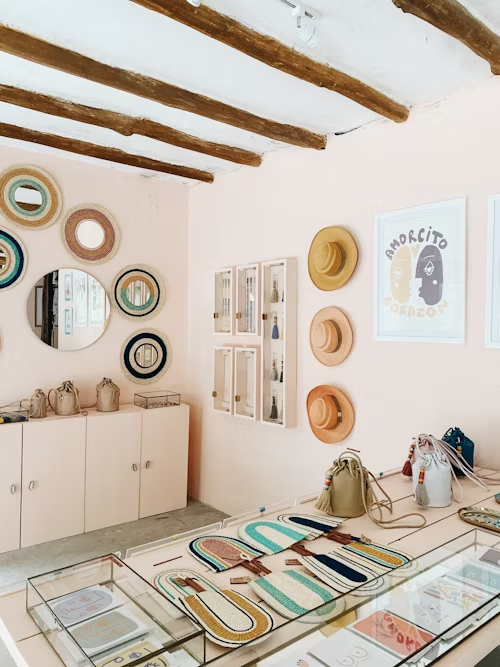
Wardrobe Wars: My Take on Direct-to-Consumer vs. Fair Trade Marketplaces

Ever find yourself in a tug-of-war between clicking "Buy Now" on a killer, wallet-friendly deal and your moral compass nagging you about fair trade and sustainability? Oh, it’s a real conundrum! So, here’s my take, served with a side of dry humor, on the bustling battlefield of direct-to-consumer (DTC) marketplaces versus those heartwarming fair trade hubs.
What’s the Big Deal with DTC?
Direct-to-consumer marketplaces are like the fast food of shopping—convenient, addictive, and oh-so-satisfying. They cut out the middlemen, offering lower prices and the kind of instant gratification that even my speedy WiFi can’t match. But as someone who’s been in the app and product development game, I know there’s more beneath the surface.
The DTC model allows brands to interact directly with you, the customer. This means they can gather oceans of data about your buying habits (creepy much?). Plus, they’re masters at making you buy things you never knew you needed (yes, I’m looking at that 7-in-1 avocado slicer in my kitchen drawer).
Enter the Heroes: Fair Trade Marketplaces
On the flip side, fair trade marketplaces are like your cool, socially-conscious friend who knows everything about sustainability and ethical sourcing. These platforms ensure that producers receive a fair wage, which is great because no one wants to wear a side of guilt with their new jeans.
Shopping from these marketplaces feels good, like adopting a puppy or finally getting that yoga pose right. It’s about knowing your super cool, one-of-a-kind handbag hasn’t just fallen off the conveyor belt. Plus, who doesn’t like bragging about how their latest purchase is helping to build schools or fund community projects?
Why Even Bother with Sustainable Clothing?
Now, I’m the last guy who'll preach to you about saving the world while sipping a $7 coffee, but let’s be real. Our planet is kinda screaming for help. Sustainable clothing means fewer chemicals, less water waste, and a happier Mother Earth. My daughter would never forgive me if I didn’t at least try to make a difference. Plus, I’m into science, and the tech behind sustainable fabrics is mind-blowing!
Whether it’s recycled polyester or organic cotton, choosing sustainable means you’re wearing the future. And as a tech nerd, that’s something I can get behind.
Direct Hits and Misses
Let’s break it down into a list because who doesn’t love a good list?
Reasons DTC Can Be Your BFF:
- Prices that make your wallet sing.
- Exclusive products not available in stores.
- Customization that makes every hipster’s heart skip a beat.
- Did I mention fast shipping?
But it’s not all sunshine and discount codes. The downside? It can sometimes feel like you’re supporting a faceless corporation (even if their Instagram is lit).
Why Fair Trade Might Just Steal Your Heart:
- Every purchase supports real people and communities.
- Quality over quantity – these items last longer than your average impulse buy.
- It’s a great conversation starter at parties.
- Your conscience will be as clean as those organic cotton sheets you just bought.
Of course, this comes at a cost. Literally. Fair trade items can be pricier and harder to find than a parking spot at a Black Friday sale.
Amid all this shopping chaos, what’s an entrepreneur and dad to do?The Final Verdict
In my experience, balancing value, convenience, and ethics isn’t easy. I’ve spent countless nights, probably when I should have been sleeping or watching a bad sci-fi movie, pondering whether to hit the checkout button on a DTC site or a fair trade platform.
What about you? Ever found yourself torn between a deal and a good deed? Drop your thoughts below. Let's chat about the clash of commerce and conscience.