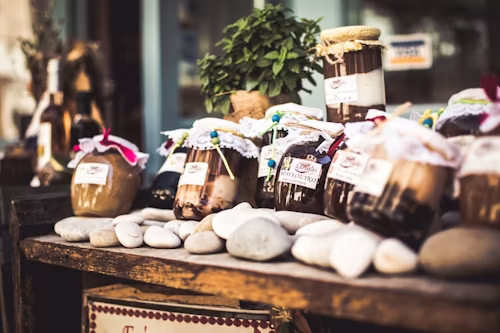
How to Build a Successful Farm-to-Table Gourmet Food Brand in 2026

Building a food brand that delivers farm‑to‑table gourmet products is no longer about chasing the latest trend. It’s about creating a reliable system that connects local growers, skilled artisans, and discerning consumers while staying lean and adaptable.
1. Understanding the Farm-to-Table Market
The term “farm‑to‑table” has evolved from an idealistic slogan to a tangible business model that emphasizes traceability, seasonality, and community impact. In my experience, customers now expect transparency about where their food comes from, how it’s grown, and the people behind it.
What Makes It Different
Key Distinctions
- Traceability: Every ingredient can be traced back to a single source or a handful of farms.
- Seasonality: Products change with the harvest, creating a dynamic menu rather than a static catalog.
- Community Impact: Local sourcing supports regional economies and reduces carbon footprints.
- Quality Control: Direct relationships allow for rapid feedback loops on product quality.
These distinctions mean that building a brand around farm‑to‑table requires a different mindset than mass‑produced fast food. It demands partnership, patience, and an emphasis on storytelling.
Current Trends in Gourmet Foods
Emerging Consumer Preferences
- Plant‑Based Premiums: High‑quality vegan cheeses and meats are gaining traction among health‑conscious diners.
- Functional Ingredients: Superfoods, adaptogens, and gut‑friendly additives are driving niche markets.
- Zero Waste Packaging: Compostable or refillable containers resonate with eco‑aware shoppers.
- Local Food Festivals: Pop‑up events serve as direct-to-consumer channels for brand testing.
Keeping an eye on these trends helps you position your product line where demand is rising while staying true to the farm‑to‑table ethos.
2. Building Relationships with Local Vendors
Finding and maintaining reliable vendors is the backbone of any successful gourmet brand. In my experience, a vendor’s consistency can make or break your supply chain.
Identifying Reliable Partners
Vendor Evaluation Checklist
- Certification: Organic, Non‑GMO, and local farm certifications add credibility.
- Capacity: Can the vendor meet your volume needs during peak seasons?
- Quality Records: Request sample batches and review any past audit reports.
- Communication: Timely updates on weather, harvest schedules, or potential shortages are vital.
Once you’ve shortlisted vendors, arrange a visit to observe their operations firsthand. This builds trust and uncovers hidden strengths or weaknesses.
Negotiating Fair Terms
Key Negotiation Points
- Pricing Structure: Base price plus performance bonuses tied to quality metrics.
- Minimum Order Quantities: Set realistic MOQs that align with your production schedule.
- Payment Terms: Net 30 or net 60 can improve cash flow while still honoring vendor needs.
- Flexibility Clauses: Include options for seasonal price adjustments due to supply shocks.
A well‑structured contract protects both parties and establishes a foundation for long‑term collaboration.
3. Integrating Furniture and Decor into Your Brand Experience
While the core product is food, the environment in which it’s presented can amplify brand perception. In my experience, thoughtful decor turns a simple storefront into an immersive storybook.
Why Physical Presence Matters
Benefits of In‑Store Design
- Brand Storytelling: Visual cues reinforce your farm‑to‑table narrative.
- Customer Engagement: Interactive displays invite shoppers to learn about sourcing.
- Revenue Diversification: Retail sales, workshops, and pop‑ups can supplement online income.
- Loyalty Building: A welcoming space encourages repeat visits and word‑of‑mouth referrals.
The right furniture choices—wooden tables, reclaimed wood shelving, artisanal lighting—can echo the authenticity of your products.
Design Tips for Storefronts
Practical Design Elements
- Material Palette: Stick to natural textures that mirror farm aesthetics.
- Lighting: Warm, diffused lighting highlights product colors and creates a cozy vibe.
- Layout: Keep pathways clear; place high‑margin items near the front for impulse buys.
- Signage: Use hand‑painted signs or reclaimed wood tags to reinforce local ties.
When you align decor with culinary offerings, you create an ecosystem where every touchpoint feels intentional and cohesive.
4. Collaborating with Independent Fashion Designers
Fashion and food share a common thread: storytelling through craftsmanship. Partnering with independent designers can diversify revenue streams and broaden audience reach.
Cross‑Promotional Opportunities
Joint Campaign Ideas
- Limited‑Edition Apparel: A line of t‑shirts featuring farm logos or ingredient illustrations.
- Pop‑Up Markets: Combine a food tasting event with a designer showcase.
- Co‑Branded Packaging: Designer‑made labels add perceived value to gourmet jars or bags.
- Seasonal Themes: Align product releases with fashion seasons for synergistic marketing.
These collaborations not only boost visibility but also foster a community of creators who share your commitment to quality and sustainability.
Packaging and Brand Storytelling
Designing Packaging That Speaks Volumes
- Material Choice: Use recycled paper, glass, or biodegradable plastics to reflect eco‑values.
- Color Scheme: Earthy tones convey authenticity; pop colors can signal limited editions.
- Functional Features: Easy‑to‑open, resealable, or refillable designs enhance user experience.
The packaging becomes an extension of your brand’s voice—simple yet powerful when it tells a genuine story.
5. Operational Essentials for Scaling
A farm‑to‑table brand thrives on efficient operations that keep costs down without compromising quality. In my experience, the right systems are invisible to customers but critical to profitability.
Supply Chain Logistics
Optimizing Flow from Farm to Shelf
- Inventory Management: Use just‑in‑time ordering to reduce spoilage and storage costs.
- Cold Chain Integrity: Maintain temperature control at every stage for perishable goods.
- Transportation Partners: Choose carriers with experience in handling delicate produce.
- Data Tracking: Implement barcoding or RFID to monitor product movement and traceability.
When logistics are streamlined, you can focus on refining recipes and expanding your vendor network.
Compliance & Food Safety
Key Regulatory Areas
- FDA Guidelines: Ensure labeling meets federal requirements for allergens and nutrition facts.
- State Health Codes: Stay updated on local inspections, especially if you operate a physical storefront.
- Hazard Analysis & Critical Control Points (HACCP): Implement a HACCP plan to mitigate contamination risks.
- Traceability Systems: Maintain records that can quickly identify the source of any issue.
A robust compliance framework protects your brand’s reputation and safeguards consumer trust.
6. Marketing Without the Buzzword Overload
Modern consumers are savvy to marketing jargon. The most effective campaigns rely on authenticity, data, and community engagement.
Authentic Storytelling
Elements of a Genuine Narrative
- Founder’s Journey: Share how you discovered the farm‑to‑table movement and what drives your mission.
- Vendor Spotlights: Highlight the people behind each ingredient through short videos or blog posts.
- User‑Generated Content: Encourage customers to share photos of their dishes using branded hashtags.
- Transparency Reports: Publish annual summaries of your sourcing and sustainability metrics.
By letting real stories lead, you cut through noise and build lasting relationships with your audience.
Digital Presence & Community Building
Practical Steps for Online Growth
- Social Media Cadence: Post 3–5 times per week on Instagram and Facebook, focusing on visual storytelling.
- Email Newsletters: Send monthly updates featuring new products, vendor stories, and upcoming events.
- Local Partnerships: Collaborate with regional influencers or food bloggers for cross‑promotion.
- Feedback Loops: Use surveys to gauge customer satisfaction and guide product development.
A consistent digital strategy keeps your brand top of mind while fostering a community that feels invested in your success.
The core advantage of a farm‑to‑table gourmet brand is the ability to combine quality, authenticity, and local impact into one compelling proposition. When you focus on reliable vendors, thoughtful retail design, strategic collaborations, efficient operations, and honest storytelling, you create a sustainable business that resonates with modern consumers. What specific challenges have you faced when sourcing ingredients from local farms, and how did you overcome them?