How do I support local artisans when buying bamboo clothing for kids and eco‑friendly baby products?
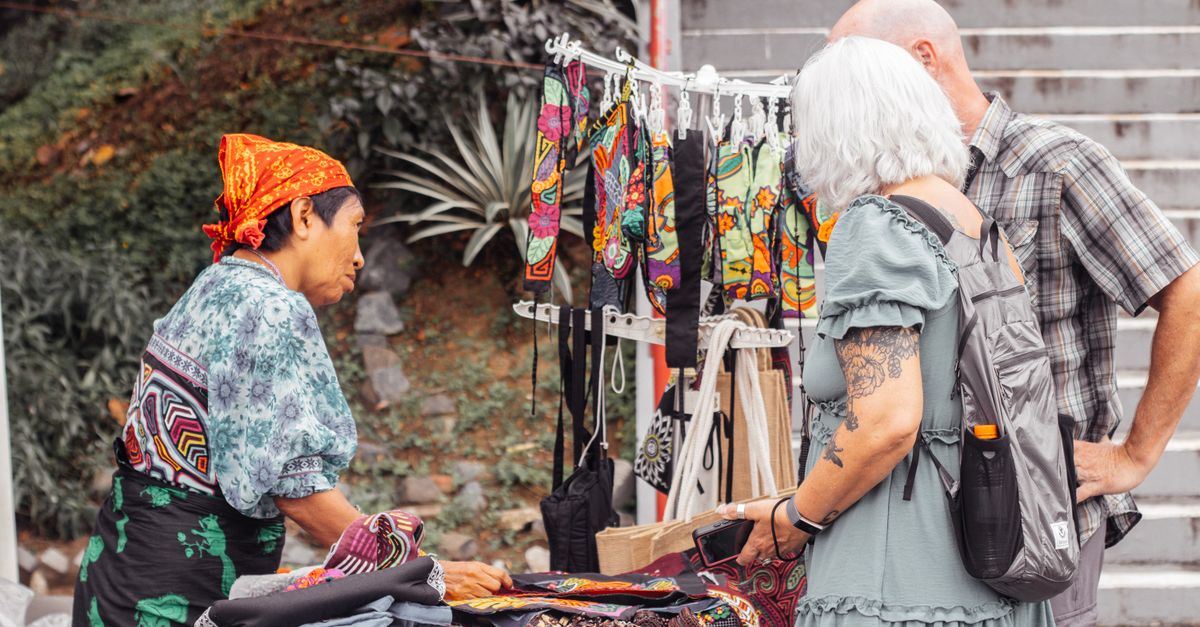
I’ve spent the last decade building digital marketplaces that connect consumers with makers, and in 2026 my focus is sharper than ever: helping parents find sustainable, high‑quality items while genuinely supporting local artisans. This guide walks through the key steps to make informed choices when shopping for kids’ bamboo clothing and eco‑friendly baby products.
Understanding the Market Landscape
The rise of digital product marketplaces has democratized access to niche goods, but it also complicates transparency. Parents now have dozens of platforms—some dedicated exclusively to eco‑friendly items, others offering a mix of mainstream and artisanal products. When you’re looking for bamboo clothing or baby gear, consider the following:
Key Factors That Matter
- Verification Processes: Does the platform verify that artisans meet sustainability standards?
- Fee Structure: High fees can erode artisan margins and inflate consumer prices.
- User Reviews & Ratings: Reliable feedback helps assess product quality and seller integrity.
- Return Policies: A clear, fair policy protects both buyer and maker.
- Community Features: Forums or Q&A sections allow you to ask artisans questions directly.
In my experience, marketplaces that prioritize artisan stories over mere sales metrics tend to foster stronger consumer trust. When I launched my first platform in 2015, a simple “Meet the Maker” page was the single feature that drove repeat traffic. Today, many sellers use these pages to share their sourcing journey, the local materials they use, and the impact of each purchase on their community.
Another layer worth exploring is the regional focus. Some marketplaces curate artisans by geographic area, ensuring that your support stays within a specific supply chain. This not only reduces shipping distances but also preserves cultural craftsmanship that might otherwise be lost to mass production.
Choosing Bamboo and Natural Fiber Clothing
Bamboo is praised for its softness, breathability, and low environmental impact, but not all bamboo fabrics are created equal. When selecting clothing for kids, look for:
What to Look For in Bamboo Fabric
- Certification: GOTS (Global Organic Textile Standard) or Oeko‑Tex 100 guarantees no harmful chemicals.
- Weave and Weight: A tighter weave reduces exposure to allergens; medium weight suits most climates.
- Durability: Check for reinforced seams, especially on items that will be washed frequently.
- Wash Instructions: Easy care instructions extend product life.
- Price vs. Longevity: Higher upfront cost often pays off with fewer replacements.
I’ve tested dozens of bamboo blends in my own line; the most successful ones are 100% organic bamboo with a GOTS seal and reinforced stitching. If you’re buying from an independent artisan, request proof of certification before purchase. A quick way to verify is to scan the label or ask for the certificate number—many brands include this on their packaging.
Beyond certifications, consider fiber composition. Pure bamboo fibers are typically processed with a mechanical method that preserves natural properties, whereas chemical processing can introduce toxins and reduce biodegradability. Look for terms like “mechanically processed” or “non‑bleached” in product descriptions to ensure you’re getting the most eco‑friendly option.
Evaluating Digital Product Marketplaces for Kids & Baby Products
Finding the right marketplace is critical because it determines pricing transparency, shipping logistics, and post‑purchase support. Here’s a quick comparison framework:
Marketplace Evaluation Checklist
- Seller Vetting: Does the platform screen artisans for quality?
- Shipping Options: Free or discounted shipping can be a deciding factor.
- Payment Security: Look for escrow services to protect both parties.
- Customer Support: 24/7 chat or email support reduces friction.
- Environmental Impact Metrics: Some sites publish carbon footprints per order.
I’ve used platforms like Etsy, NotOnTheHighStreet, and my own niche marketplace to source baby products. The biggest difference is how much control artisans have over branding and pricing—my platform allows them to set their own rates while keeping a flat 10% commission, which keeps margins healthy.
When comparing shipping options, note that many marketplaces offer regional hubs. If the hub is within or close to your country, you’ll benefit from lower customs fees and faster delivery times. Some sites also partner with local couriers that use electric vehicles, further reducing emissions associated with last‑mile delivery.
The payment security aspect is often overlooked by shoppers. A platform that holds funds in escrow until the buyer confirms receipt protects both sides. It ensures that artisans receive their due promptly while giving parents confidence that they’re not paying for a product that never arrives.
Supporting Local Artisans in a Digital Age
Digital channels can flatten the playing field, but you still need active engagement to truly support artisans. Here’s how to build a meaningful relationship:
Steps to Build Artisan Relationships
- Direct Communication: Use platform messaging or email to ask about sourcing and production.
- Purchase History Transparency: Share your buying patterns with artisans to help them forecast demand.
- Feedback Loop: Provide constructive reviews that highlight both strengths and improvement areas.
- Co‑Creation Opportunities: Offer to collaborate on limited‑edition items or seasonal collections.
- Support Local Events: Attend craft fairs or pop‑ups where artisans showcase their work.
In my experience, artisans who feel genuinely heard are more inclined to invest in higher‑quality materials and better packaging—benefits that translate directly into improved product performance for parents. When you ask a maker about the origin of their bamboo, many will gladly share details about local farms or cooperative groups that supply the raw material. Knowing this context enriches your purchase and encourages continued support.
Another practical tip is to consider packaging choices. Many artisans use recyclable or compostable packaging materials that align with eco‑friendly values. If a brand offers a return program where you can send back empty packaging for reuse, it demonstrates a commitment to circularity.
Practical Tips for Eco-Friendly Shopping
Beyond choosing bamboo garments, there are everyday habits that reinforce eco‑friendly consumption:
- Read Labels Thoroughly: Verify certifications and ingredient lists.
- Opt for Secondhand or Upcycled Items: Platforms like ThredUp can reduce waste.
- Support Circular Economy Services: Choose brands that offer repair or resale programs.
- Use Eco‑Friendly Detergents: Reduces chemical runoff from washing clothes.
- Encourage Reuse Over Replacement: For baby products, consider items that evolve with the child (e.g., convertible cribs).
Here are a few actionable steps you can add to your routine:
- Temperature Settings: Washing bamboo at 30°C or lower preserves fibers and saves energy.
- Drying Methods: Air‑dry whenever possible; if using a dryer, choose the “low heat” setting and remove items promptly to avoid over‑shrinkage.
- Use a laundry bag for delicate bamboo pieces—this reduces friction with other fabrics and extends garment life.
- When purchasing baby gear like carriers or car seats, opt for models that feature modular components so you can upgrade rather than replace the entire unit as your child grows.
These actions compound over time, creating a more sustainable ecosystem for both consumers and makers.
Common Mistakes and How to Avoid Them
Even well‑intentioned shoppers can fall into pitfalls that undermine their sustainability goals. Here are the top mistakes and how to sidestep them:
- Overlooking Certifications: A product may look bamboo but be processed with harmful chemicals.
- Ignoring Artisan Margins: Excessive platform fees can erode the financial viability of local makers.
- Purchasing Based on Price Alone: Low prices often mean lower quality or unethical sourcing.
- Failing to Check Return Policies: Poor policies can trap you in a cycle of unsatisfied purchases.
- Neglecting Post‑Purchase Support: Good customer service is vital for long‑term satisfaction and product longevity.
Here’s how to guard against each:
- Certification checklists: Keep a quick reference sheet of recognized standards (GOTS, Oeko‑Tex 100) so you can spot them at a glance.
- Fee transparency: Compare commission rates across platforms; if a fee seems high, ask the seller why it is necessary.
- Value assessment: Look beyond price; consider durability, shipping impact, and post‑sale support.
- Return policy review: Verify that returns are free or low-cost and that refunds are processed promptly.
- Customer service trials: Send a small inquiry before purchasing to gauge response times and helpfulness.
By keeping these traps in mind, parents can make smarter choices that protect both the planet and the people who create the products they love.
Key takeaway: The most sustainable approach combines careful platform selection, certification verification, direct artisan engagement, and everyday eco‑friendly habits to ensure that buying bamboo clothing for kids truly supports local makers while protecting the environment. What steps have you taken in your own purchases to verify an artisan’s sustainability claims?