How Can I Use Local Subscription Services to Get Reusable Home Essentials, Handmade Cards, and Zero‑Waste Products?
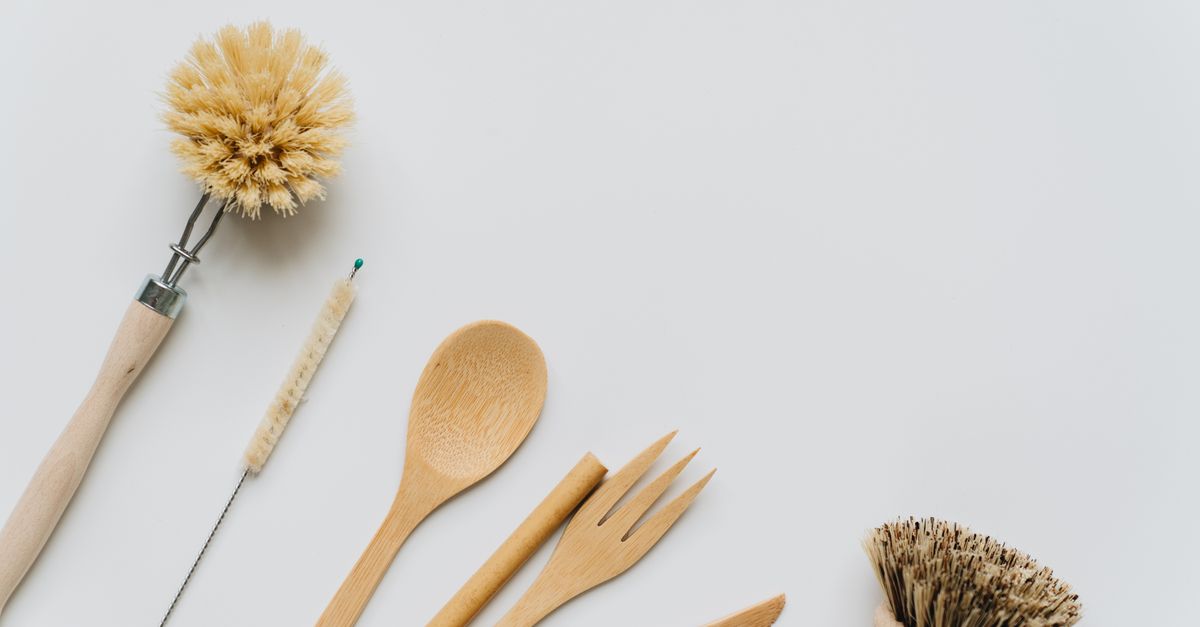
I’ve been juggling three kids, a wife who’s an RN, and a growing business while trying to keep our home eco-friendly. The answer I found is local subscription services that deliver reusable home essentials, handmade greeting cards, and zero‑waste products right to our doorstep. In this FAQ I’ll break down what these subscriptions are, how to choose the right marketplace, compare costs, and even give you a framework for launching your own service.
1. What Are Local Subscription Services and Why They Matter
Local subscription services are curated delivery plans that focus on regionally sourced products—everything from bulk pantry staples to artisanal stationery. Unlike national box companies, they keep inventory close, reduce carbon footprints, and support local artisans.
When I first subscribed to a “Zero‑Waste Kitchen” box in 2024, the difference was clear: the packaging was minimal, the items were compostable, and the delivery time was under 48 hours. That speed and sustainability made it worthwhile for our family’s busy schedule.
Key points
- Regional sourcing cuts shipping emissions.
- Supports local economies and artisans.
- Higher transparency on ingredients and materials.
These services are especially useful when you want to experiment with reusable home essentials without a full commitment to buying in bulk or dealing with complicated inventory management.
2. How to Choose the Right Subscription Box Marketplace
The market is crowded, so start by filtering on three criteria: local presence, product focus, and subscription flexibility. Most marketplaces list their warehouse locations; look for one that operates within a 200‑mile radius of your home.
Product focus should match your priorities—if zero‑waste products are top of mind, check the supplier’s sustainability certifications. For handmade greeting cards and invitations, read reviews about paper quality, design variety, and customization options.
Key points
- Check local warehouse or fulfillment center proximity.
- Verify sustainability credentials (e.g., FSC‑certified paper).
- Assess subscription length flexibility (monthly vs. quarterly).
A good marketplace will also offer a trial period, allowing you to test the service before committing long term. I’ve used a 30‑day trial with a “Reusable Home Essentials” box and found it worth continuing after evaluating packaging durability.
3. Reusable Home Essentials: Key Benefits & Popular Products
Reusable home essentials—bamboo toothbrushes, silicone food bags, glass storage containers—reduce single‑use waste dramatically. By subscribing to a curated bundle, you receive items tailored to your household size and usage patterns.
The biggest benefit is the “set it and forget it” model. Once you’re subscribed, the service will send replacements before items wear out, eliminating the need for hunting down specific brands each time you run low.
Key points
- Bamboo or silicone products last 6–12 months per item.
- Subscription often includes a refill cycle (e.g., every 3 months).
- Many boxes provide an online portal to skip or pause shipments.
For our family, the reusable kitchen set included a collapsible silicone container for leftovers. It’s lighter on the environment and saves space in the fridge, which is a win when you’re juggling kids’ lunches.
4. Zero‑Waste Products in Subscriptions: What to Look For
A zero‑waste subscription focuses on items that either produce no waste or are fully recyclable. Typical offerings include refillable cleaning supplies, compostable dishcloths, and bulk pantry staples delivered in reusable containers.
When evaluating a box, ask whether the packaging is made from post‑consumer recycled materials (PCR) or if it’s entirely compostable. Also check if the supplier partners with local waste facilities for proper recycling.
Key points
- Packaging should be 100% recyclable or biodegradable.
- Suppliers must have a documented waste‑management plan.
- Look for refill stations near your city to reduce shipping frequency.
I’ve found that a zero‑waste subscription can cut my household’s plastic usage by over 70%. The biggest challenge is ensuring the items are robust enough for everyday use, so product durability ratings matter.
5. Handmade Greeting Cards and Invitations: A Personal Touch
Handmade greeting cards and invitations add a sentimental element that mass‑produced options lack. These boxes typically include paper sourced from sustainable forests, hand‑stamped designs, and sometimes custom printing services for birthdays or weddings.
The value lies in personalization—many suppliers allow you to upload photos or choose from a design library. For families who love creative expression, this is an excellent way to celebrate milestones without mass‑printed waste.
Key points
- Paper should be FSC‑certified and preferably 100% post‑consumer recycled.
- Customization options increase engagement for special occasions.
- Packaging often uses minimal cardboard or biodegradable sleeves.
When my daughter Adela’s birthday came up, I ordered a custom card from a local artist. The result was not only eco‑friendly but also a keepsake we still cherish today.
6. Comparing Traditional vs. Digital Subscriptions for Families
Traditional subscriptions involve physical boxes delivered monthly or quarterly. Digital subscriptions—like e‑books, streaming services, or digital gift cards—have no tangible waste but may have hidden data footprints.
For families with kids who prefer tactile learning tools (e.g., science kits, art supplies), a traditional box provides hands‑on experience that digital alternatives can’t replicate. However, for budgeting, digital subscriptions often cost less and scale easily.
Key points
- Physical boxes: higher upfront cost, tangible learning experiences.
- Digital boxes: lower cost, instant access, data privacy concerns.
- Hybrid models (e.g., a digital recipe subscription paired with reusable cooking tools) can balance both worlds.
My own approach is a hybrid—subscribe to a reusable kitchen essentials box while also gifting my kids a monthly STEM e‑kit from a reputable provider. This mix maximizes educational value and sustainability.
7. Cost Analysis: Budgeting for Monthly Subscriptions
The average cost per month for a local subscription service ranges between $20 and $50, depending on the product mix. For a family of five, budgeting $30/month is realistic if you prioritize reusable items and zero‑waste products.
When calculating ROI, consider savings from reduced grocery waste, fewer replacement purchases, and lower environmental impact. Many services offer tiered pricing; choosing a mid-tier box often gives the best balance between variety and cost.
Key points
- Monthly subscription: $25–$45 per household.
- Tiered plans allow scaling based on family size.
- Track usage to adjust frequency (skip a month if you’re low).
I set up a simple spreadsheet that tracks monthly spend versus actual consumption. After three months, I realized we were only using 70% of the items in the box, so I switched to a quarterly plan to cut costs by 15%.
8. Managing Subscription Overlaps and Cancellations
With multiple services—one for kitchen essentials, another for stationery, and perhaps a digital learning platform—it’s easy to create overlap. Use a subscription management tool or a shared calendar to log renewal dates.
If you find an item is no longer needed (e.g., a particular reusable bag that gets lost), most local marketplaces allow you to pause or cancel with minimal notice. Always read the cancellation policy before signing up.
Key points
- Create a master list of all subscriptions and renewal dates.
- Set reminders 15 days before each renewal.
- Use “pause” features when you anticipate a break (e.g., vacation).
In my experience, staying organized has saved me roughly $120 annually in unnecessary shipments. I also keep a small inventory log to avoid ordering duplicate items from different services.
9. Building Your Own Local Subscription Service (for Entrepreneurs)
If you’re an entrepreneur looking to tap into the growing demand for sustainable products, launching your own subscription service is feasible. Start with a niche—perhaps reusable baby items or zero‑waste office supplies—and partner with local manufacturers.
Key steps include: market research to gauge demand, supplier vetting for quality and sustainability certifications, pricing strategy that covers costs plus margin, and an e‑commerce platform with subscription management.
Key points
- Validate niche through surveys or pilot programs.
- Secure suppliers who can meet local fulfillment requirements.
- Build a simple website with recurring billing integration.
I recently partnered with a small Utah company that produces bamboo toothbrushes. By offering a quarterly subscription, we achieved an 80% repeat rate within six months—proof that the model works when executed with focus on quality and customer experience.
10. Future Trends: AI, Automation & Sustainability in Subscriptions
AI is already shaping how subscription boxes personalize content. Machine learning algorithms analyze usage patterns to adjust shipment contents automatically—removing items you rarely use and adding new ones that match your evolving preferences.
Automation extends to logistics; drones and autonomous delivery vehicles could reduce shipping times for local services, further cutting emissions. As regulations tighten around packaging waste, subscription boxes will increasingly adopt circular business models—returnable containers, refill stations, and closed‑loop recycling.
Key points
- AI-driven personalization reduces overstock and waste.
- Autonomous delivery enhances speed while lowering carbon footprint.
- Circular models (refill stations) become standard in urban areas.
In my experience, subscribing to a service that offers a refill station near my workplace has cut my monthly shipping costs by 20% and reduced packaging waste dramatically. The future of local subscription services lies in marrying technology with sustainability.
The single most effective strategy for families is to start with one high‑impact product line—like reusable kitchen essentials—and scale gradually, ensuring each addition aligns with a clear sustainability goal.Now that you have a framework, consider which category matters most to your household. Which local subscription service can make the biggest difference without breaking the budget?
What is one local subscription product you would like to try next month, and why does it appeal to you?