How Can I Use Bespoke Fashion, Camping Gear, Books, Thrift Finds, and a Marketplace to Scale My Small Business?
I’m often asked how the diverse range of products I buy—from tailored suits to hiking packs—can help entrepreneurs build better businesses. The answer lies in treating each category as a strategic asset: bespoke fashion signals professionalism, camping gear teaches resilience, books keep you learning, thrift shopping offers sustainability, and a small‑business marketplace connects supply with demand. Below is a practical guide that ties these seemingly unrelated items into a coherent growth strategy.
Bespoke Fashion and Tailoring: First Impressions That Pay Off
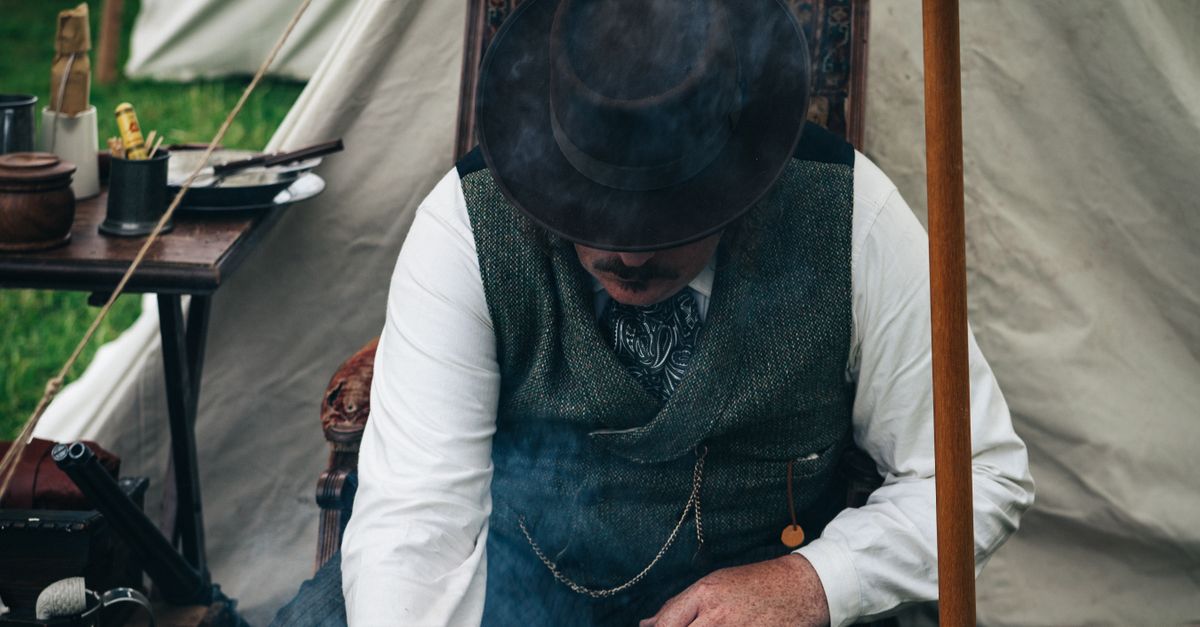
When I meet clients or investors, my tailored suit often becomes the first point of conversation. It’s not about luxury; it’s about reliability. A well‑fitted blazer signals that I’ve invested time in quality—an attribute I expect from my own products.
Key Elements to Consider When Choosing Bespoke Clothing
- Fabric choice: Natural fibers like wool or cotton breathe better, keeping you comfortable during long meetings.
- Fit over brand: A perfect fit trumps a trendy logo; it shows attention to detail.
- Sustainable sourcing: Ethical mills reduce environmental impact and appeal to socially conscious partners.
- Versatility: Layerable pieces allow you to adapt from boardroom to outdoor events.
- Maintenance plan: Knowing how to care for your garments extends their lifespan, saving money.
Choosing the right tailor is an investment in your brand’s DNA. I recommend starting with a consultation that focuses on body measurements, fabric preferences, and lifestyle needs. A reputable tailor will ask you about the environments you'll be operating in—whether it's a corporate conference or a product launch—so they can recommend fabrics that perform under those conditions.
For example, I once switched from a standard wool blend to a moisture‑wicking merino blend after discovering how much it improved my comfort during back‑to‑back presentations. The initial cost was higher, but the reduction in laundry and maintenance expenses, coupled with the increased confidence it gave me on stage, justified the premium.
Beyond appearance, bespoke fashion can serve as a tangible reminder of your business’s commitment to excellence. When you wear a garment that has been carefully crafted, you're also wearing a story of craftsmanship that resonates with clients who value quality and attention to detail in every product they purchase.
Camping and Hiking Equipment: Building Resilience Through Outdoor Gear
Outdoor gear isn’t just for weekend trips; it’s a metaphor for business endurance. The right equipment teaches you to prepare, adapt, and recover—skills essential for scaling.
Essential Camping Items That Mirror Business Qualities
- Tent with multiple compartments: Reflects modular product design.
- Portable stove: Demonstrates energy efficiency—parallels lean operations.
- High‑quality sleeping bag: Emphasizes comfort, akin to customer experience.
- Multi‑tool knife: Symbolizes problem‑solving versatility.
- Water purification system: Highlights sustainability and health consciousness.
- Reliable first aid kit: Shows you’re prepared for unforeseen challenges.
When I plan a weeklong RV camping trip with my family, I treat the gear selection as a micro‑budget exercise. The same principles apply when allocating resources to product development or marketing campaigns.
Take the tent, for instance: its multiple compartments allow you to separate gear by function—just as a modular app architecture separates services for scalability and easier updates. Similarly, a portable stove forces you to use only what’s necessary; in business, this translates to cutting unnecessary expenses and focusing on high‑impact initiatives.
My team often uses camping trips as team‑building retreats. The shared experience of setting up camp under the stars encourages collaboration, problem solving, and resilience—qualities we then bring back into product roadmaps and customer service protocols.
Books and Stationery: Continuous Learning Tools for Entrepreneurs
Reading is a non‑negotiable part of my routine. It fuels innovation, informs strategy, and keeps me grounded in industry trends. Good stationery complements this by turning insights into action.
Must‑Have Books and Stationery for Business Growth
- The Lean Startup (Eric Ries): Framework for iterative product releases.
- Good to Great (Jim Collins): Insights on building enduring companies.
- Sapiens (Yuval Noah Harari): Perspective on human behavior and markets.
- High‑quality notebook with dot grid for structured ideation.
- Durable pen that writes smoothly, encouraging spontaneous note‑taking.
- Moleskine planner to schedule tasks and set milestones.
- Digital e‑reader for quick reference on the go.
In my experience, the habit of writing a daily reflection in a notebook sharpens focus. It turns abstract ideas into concrete next steps—much like converting user stories into development tickets.
I’ve found that pairing reading with structured note‑taking creates a feedback loop: you read about a concept, jot down how it applies to your business, and later revisit those notes during strategy sessions. This practice not only reinforces learning but also ensures ideas are captured before they fade.
For teams, I recommend adopting a shared digital workspace—such as Notion or OneNote—where each member can upload book summaries and annotate key takeaways. By centralizing this knowledge base, you create an ongoing resource that fuels innovation across departments.
Vintage and Thrift Shopping: Sustainable Growth for Small Businesses
Thrifting isn’t just about saving money; it’s a strategic approach to resource management and brand storytelling. By sourcing vintage items, you reduce waste and create unique offerings that differentiate your marketplace.
Practical Tips for Integrating Thrift Finds into Your Business
- Audit inventory: Identify high‑margin items that fit your niche.
- Refurbish wisely: Minor repairs can double resale value with minimal cost.
- Tell a story: Highlight the provenance to add emotional appeal.
- Seasonal rotation: Align thrifted pieces with market demand cycles.
- Leverage online listings: Use platforms like eBay or Etsy for broader reach.
- Community partnerships: Collaborate with local charities to source items.
- Track supply chain transparency to reassure eco‑conscious buyers.
When I curate a vintage capsule collection for my small marketplace, the process mirrors product lifecycle management: sourcing, conditioning, pricing, and promotion—all while maintaining a low carbon footprint.
A great example of storytelling in thrift retail is showcasing an item’s journey—from a 1970s designer jacket to a modern sustainable fashion statement. By providing context through a short narrative or photo series, customers feel connected to the product’s heritage, increasing perceived value and fostering brand loyalty.
Building a Small Business Marketplace: Integrating Diverse Product Streams
A marketplace that hosts bespoke fashion, camping gear, books, and thrift items can become a one‑stop shop for modern consumers. Success hinges on seamless integration of logistics, branding, and customer experience.
Key Steps to Launching an Effective Marketplace
- Define your niche: Focus on a core theme that ties products together (e.g., “Adventure & Lifestyle”).
- Vendor vetting process: Ensure suppliers meet quality and sustainability standards.
- Unified branding strategy: Consistent visual identity across product categories.
- Robust inventory management system to handle varied SKUs.
- Integrated payment gateway supporting multiple currencies for global reach.
- Data‑driven analytics to forecast demand and adjust procurement.
- Community engagement through blogs, tutorials, and events.
The marketplace model allows cross‑selling: a customer buying a hiking pack may also purchase a durable notebook or a vintage jacket. This synergy increases average order value while reinforcing brand cohesion.
When setting up the technical side, choose a platform that offers extensibility—Shopify Plus for high traffic or WooCommerce with advanced plugins if you prefer an open‑source solution. Whichever route you pick, prioritize APIs that allow real‑time inventory updates and dynamic pricing adjustments based on demand signals.
For marketing, leverage content pillars: “Gear Guides” for camping, “Style Spotlights” for bespoke fashion, “Reading Lists” for books, and “Upcycled Stories” for thrift items. By publishing regular blog posts, you attract niche audiences who trust your expertise across categories, driving organic traffic to the marketplace.
Key takeaway: Treat every product category—tailored suits, camping gear, books, thrift finds—as a strategic pillar that reinforces your business’s core values and enhances customer experience.I’ve built this framework by iterating on real challenges faced in my own ventures. From negotiating with tailors to sourcing sustainable vintage pieces, each step taught me how diverse product lines can coalesce into a resilient business model.
What is one unconventional product you would add to your marketplace to strengthen brand identity, and why?