Do Second‑Hand Marketplaces Outperform 3D‑Printed Custom Goods in Seasonal Gift Shopping?
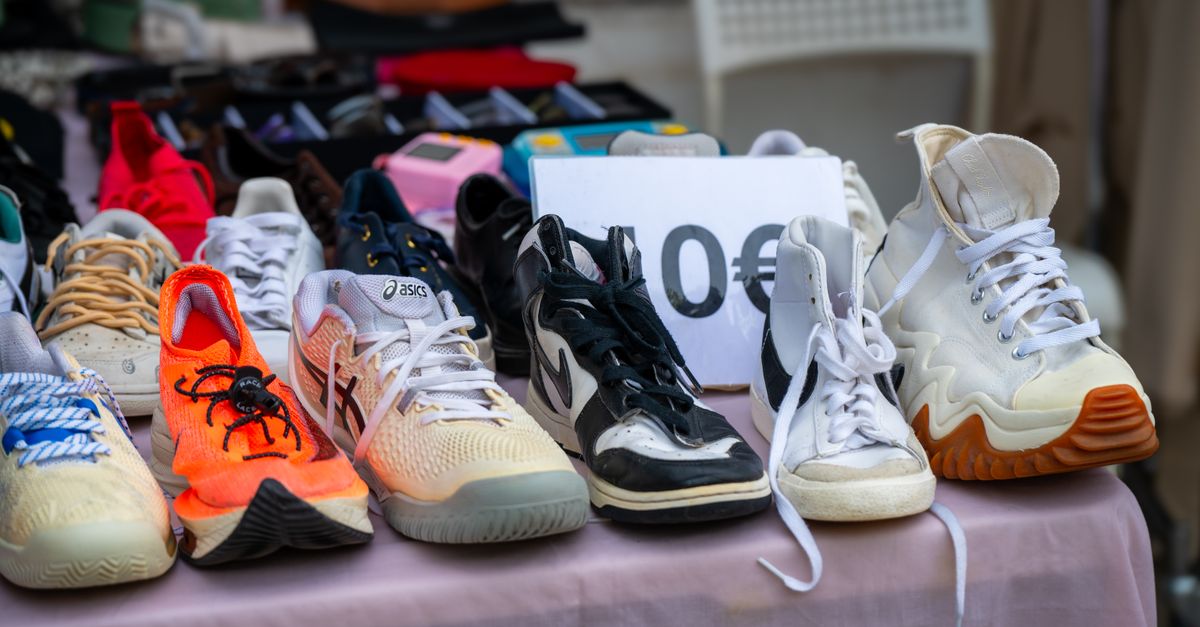
When the holidays roll around, most of us scramble to find gifts that feel personal yet fit our budget. Two growing avenues—second‑hand marketplaces and 3D‑printed custom goods—promise exactly that. In this review I’ll break down each model, compare their strengths in delivering custom jewelry, accessories, local event tickets, and seasonal collections, and give you a clear framework for deciding which channel best suits your needs.
Overview of the Landscape
The retail world has seen a surge in platforms that allow sellers to reach niche audiences. Second‑hand marketplaces like eBay, Poshmark, and specialized boutique sites focus on pre‑owned items. Meanwhile, 3D‑printed custom goods are gaining traction on platforms such as Shapeways, Etsy’s print‑on‑demand shops, and dedicated local makerspaces. Both approaches cater to consumers who want individuality without the premium price of mass‑produced luxury.
Key differentiators include inventory control, turnaround time, sustainability claims, and pricing transparency—factors that become especially critical when you’re hunting for last‑minute seasonal gifts or tickets to a local concert.
Beyond those basics, each ecosystem has its own culture. Second‑hand marketplaces thrive on community trust; sellers often provide detailed condition reports, photo galleries, and buyer protection policies. 3D‑printing hubs emphasize design freedom; they host forums where creators share CAD files, material recommendations, and post‑print finishing tips.
What Are Second‑Hand Marketplaces?
Second‑hand marketplaces aggregate listings from individual sellers and small businesses. They cover a wide range of categories: apparel, home décor, jewelry, accessories, and even event tickets sold by resellers.
Pros & Cons in a Nutshell
- Wide Variety: Hundreds of thousands of items across styles and eras.
- Price Flexibility: Often 30–70% cheaper than new equivalents.
- Authenticity Checks: Built-in seller ratings help gauge trustworthiness.
- Limited Customization: Rarely can you request a specific design tweak.
- Shipping Delays: Items may be sourced from distant sellers, affecting last‑minute needs.
The main attraction is the ability to find unique pieces—think vintage brooches or limited‑edition sneakers—at a fraction of the cost. However, buyers must navigate varying condition levels and shipping times.
In practice, many shoppers start with a keyword search such as “handmade silver necklace” and then filter by price range, condition (new, like new, gently used), and seller rating. Some platforms also offer “verified” badges for items authenticated by third‑party specialists—an extra layer of confidence when you’re paying premium for a special occasion.
3D‑Printed Custom Goods: The New Frontier
3D printing turns digital designs into physical objects on demand. Sellers upload CAD files; customers customize color, material, or engraving before purchase. This model is especially popular for custom jewelry, accessories, and even personalized event memorabilia.
Pros & Cons in a Nutshell
- On‑Demand Production: Items are printed after order, reducing inventory risk.
- Unlimited Customization: Color, texture, size, and engraving options abound.
- Sustainability Claims: Less waste if the design is optimized for material use.
- Higher Per‑Unit Cost: Small orders can be pricey compared to mass production.
- Quality Variance: Material strength and finish depend on printer settings and expertise.
This channel excels when you need a bespoke gift—like a custom pendant shaped from your child’s handprint or a themed accessory for an upcoming event. The trade‑off is that production time can range from 1–3 weeks, which may not suit urgent holiday shoppers.
For those unfamiliar with the process, most platforms provide a “Design Tool” where you upload a basic shape and then add text, logos, or personalized patterns. Once your design is finalized, the printer’s software calculates material usage and estimates cost. If you’re working with metals—such as sterling silver or titanium—you’ll often see a higher price due to post‑printing polishing steps.
Custom Jewelry and Accessories in Both Models
Jewelry and accessories are the most common categories where both second‑hand and custom printing intersect. Let’s compare how each performs when you’re looking for something that stands out.
Second‑Hand Marketplace Highlights
- Authentic Vintage: One‑of‑a‑kind pieces with historical value.
- Immediate Availability: Many items ship within 24–48 hours.
- Pre‑Set Pricing: No negotiation needed; fixed price or auction format.
- Condition Disclosure: Sellers provide photos and condition notes.
3D‑Printed Custom Goods Highlights
- Personalization Options: Add initials, birthstones, or custom shapes.
- Material Choices: From biodegradable polymers to metal alloys.
- Design Freedom: Create something that doesn’t exist in the market.
- Scalability: Print multiple units for a group gift or event.
If you’re gifting a single, highly personal piece, 3D printing gives you creative control. If you need an instant purchase with proven craftsmanship, second‑hand marketplaces are the way to go.
Consider a scenario where you want to surprise your grandmother with a vintage pearl brooch that matches her wedding dress. A second‑hand platform might offer exactly that piece at a 50% discount and deliver it in two days. Alternatively, if you’d like a custom charm bracelet featuring the initials of each family member, a print‑on‑demand shop can produce it in a month with no upfront inventory risk.
Local Event Ticket Sales as a Complementary Channel
Both platforms also serve as venues for reselling local event tickets—concerts, sports games, theater productions, and community festivals. The dynamics here differ from apparel or jewelry because of urgency and price volatility.
Second‑Hand Marketplace Strengths
- Immediate Transfer: Tickets often move quickly through a single transaction.
- Price Transparency: Users can see market rates on similar tickets.
- Buyer Protection: Some platforms offer refunds if the event is canceled.
3D‑Printed Custom Ticket Accessories
- Unique Merchandise: Print custom lanyards or wristbands with event branding.
- Limited Editions: Offer exclusive designs tied to a specific show.
- Personalization: Include fan names or favorite team colors.
For last‑minute ticket purchases, second‑hand marketplaces are more reliable. If you’re running an event and want branded merchandise, 3D printing can add value without large upfront costs.
Event organizers often partner with print shops to produce wristbands that embed QR codes linking to exclusive content. These items not only serve as collectibles but also provide a marketing channel when fans share photos on social media.
Seasonal and Holiday Gift Collections: Timing Matters
The holiday season forces a rush of orders that tests both models. Key considerations include shipping speed, inventory reliability, and price sensitivity.
Second‑Hand Marketplace Strategies
- Bulk Shipping Options: Some sellers offer group shipping to reduce costs.
- Pre‑Order Listings: Sellers can reserve items for the holiday period.
- Seasonal Themes: Curated collections (e.g., “Vintage Christmas Ornaments”).
3D‑Printed Custom Goods Strategies
- Print Farms: Partner with multiple makers to reduce lead time.
- Template Libraries: Offer ready‑made holiday designs for quick customization.
- Early Order Incentives: Discounts for orders placed at least a month in advance.
When you’re targeting the “buy now” mentality of holiday shoppers, second‑hand platforms shine with instant availability. For niche markets—like personalized ornaments or custom gift tags—3D printing can differentiate your offering if you plan ahead.
A practical tip: create a “holiday wish list” on each platform and set email alerts for price drops. Many sites will notify you when an item goes live, allowing you to snag deals before the rush peaks.
Practical Decision Criteria for Buyers
Selecting between a second‑hand marketplace and a 3D‑printed custom goods provider boils down to three core criteria: cost, customization, and time. Below is a quick decision matrix.
Decision Matrix
- Cost Sensitivity: Low budget → Second‑hand; Medium‑high budget → Custom printing.
- Customization Needs: Minimal tweaks → Second‑hand; Full design freedom → 3D printing.
- Time Constraints: Under two weeks → Second‑hand; Over a month → 3D printing.
This framework helps you weigh trade‑offs without getting lost in technical jargon. Remember to factor in shipping, taxes, and potential resale value if the item is intended for future use.
If you’re buying a gift that will be cherished for years—like a family heirloom necklace—consider the long-term maintenance costs of metals versus plastics. A second‑hand silver piece may need occasional polishing, whereas a 3D‑printed polymer charm can be replaced easily if it breaks.
Common Mistakes and How to Avoid Them
- Ignoring Seller Reputation: On second‑hand sites, low ratings can flag counterfeit or damaged goods.
- Underestimating Print Time: Many makers estimate 3–5 days; add buffer for revisions.
- Overlooking Material Limits: Not all printers support metals or high‑grade polymers needed for durable jewelry.
- Neglecting Legalities Around Ticket Resale: Some venues prohibit secondary sales; verify before listing.
By staying vigilant about these pitfalls, you can safeguard both your wallet and the integrity of the gifts you send.
Another common error is overlooking hidden fees: many print‑on‑demand sites charge a setup fee for new designs. On second‑hand marketplaces, shipping costs can vary dramatically based on seller location—be sure to read the final cost before confirming purchase.
My Personal Take on the Future
In my experience, the most successful seasonal campaigns blend both approaches: I source vintage pieces for quick delivery while using 3D printing to add a custom touch that resonates with tech‑savvy shoppers. This hybrid model keeps inventory costs low and creative output high.The future of gifting will likely see more integration—platforms offering instant resale listings alongside on-demand print services, all powered by AI recommendation engines that predict what each recipient will love.
Key takeaway: For last‑minute holiday gifts, second‑hand marketplaces provide speed and affordability; for unique, personalized items, 3D printing offers unmatched creative control—plan ahead to leverage both.Ask a practical question that invites useful discussion.
Which factors matter most to you when choosing between second‑hand or custom-printed gifts for your family this holiday season?