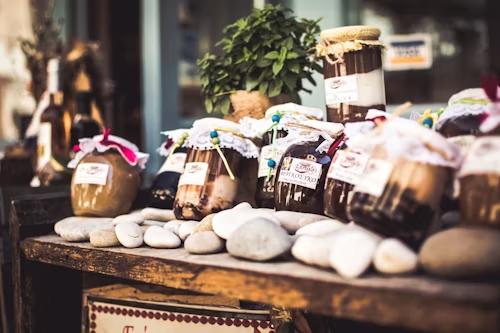
Are local coffee shops, boutiques, thrift stores, and home bakeries worth the extra cost?
I’ve spent years evaluating every niche market I touch—from app development to full‑stack programming—and I keep coming back to one simple question: does buying locally add real value? This article breaks down five key local shopping categories—locally roasted coffee, local clothing boutique marketplaces, vintage and thrift shopping, home bakery goods, and other locally sourced products—to help you decide if the extra cost is justified.
Locally Roasted Coffee: Quality versus Price
The first thing that comes to mind when thinking about local commerce is coffee. A freshly roasted bean can taste noticeably different from a mass‑produced blend, but how much better does it really taste? In my experience, the difference is most pronounced in the aroma and body of the cup.
Key Factors When Choosing a Local Roaster
- Freshness window: Beans should be roasted within 48 hours of purchase for peak flavor.
- Roast profile: Dark roasts mask bean origin, while light roasts highlight unique terroir notes.
- Sourcing transparency: Direct trade relationships often mean higher quality and fairer prices.
- Equipment investment: Small‑batch roasters use precision grinders that reduce waste.
- Community engagement: Local shops frequently host tastings, building loyalty beyond the cup.
The trade‑off is price. A local single origin pour‑over can cost 2–3 times what a supermarket equivalent sells for, but the flavor payoff and support of a small business often justify the extra dollar. If you’re willing to experiment with different beans and roast levels, the experience becomes part science, part art.
Many local roasters also provide educational workshops where patrons can learn about bean origins, brewing techniques, and how to detect subtle flavor notes. These sessions not only deepen appreciation for coffee but also create a sense of community around shared taste experiences.
Locally roasted coffee delivers a distinct flavor profile and supports local economies—worth it if you value taste over cost.Local Clothing Boutique Marketplace: Unique Finds and Community Support
When you step into a boutique marketplace, you’re not just buying clothes—you’re investing in a curated experience. I’ve walked through dozens of such spaces, and the common thread is that each shop offers pieces you won’t find on any mainstream platform.
What Makes Boutique Marketplaces Stand Out
- Curated selection: Designers are chosen for their style coherence, reducing clutter.
- Sustainability focus: Many boutiques prioritize second‑hand or ethically produced items.
- Personalized service: Staff can offer styling advice tailored to your body type and lifestyle.
- Local collaborations: Partnerships with nearby artists or artisans add unique flair.
- Community events: Fashion shows, pop‑ups, and workshops create a sense of belonging.
The price premium varies. A boutique’s denim may cost 30–50% more than a fast‑fashion equivalent, but the longevity of the garment often outweighs the upfront expense. Moreover, supporting local designers keeps creative talent in the community, creating a virtuous cycle of innovation and employment.
Many boutiques also offer repair or alteration services, extending the life of your purchases and reducing waste. Some even run “swap” nights where shoppers can trade items they no longer wear, further promoting sustainability while keeping costs low for those who participate.
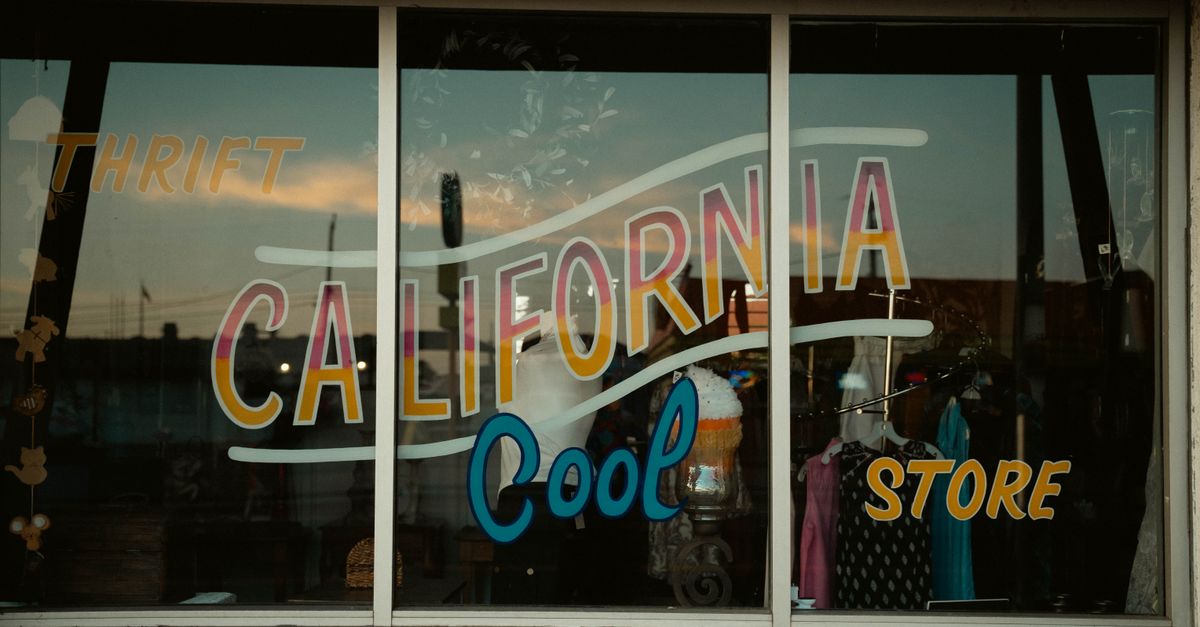
Vintage & Thrift Shopping: Sustainability, Cost Savings, and Style
I’ve spent countless hours sorting through thrift piles for that one vintage jacket or a mid‑century lamp. The appeal lies not only in the nostalgia but also in the environmental impact. By reusing garments, you reduce textile waste and lower your carbon footprint.
Benefits of Vintage & Thrift Shopping
- Environmental impact: Each item saved from landfill saves resources used to produce a new piece.
- Price advantage: Many high‑quality items are sold for 10–70% of their original price.
- Unique aesthetics: Vintage pieces bring character that mass production can’t replicate.
- Quality craftsmanship: Older garments often feature sturdier construction and better fabrics.
- Community building: Thrift stores frequently support local charities or community programs.
The main challenge is the time investment. Finding something that fits, looks good, and remains in good condition can be a hunt. Yet for those willing to invest the search, the payoff—both monetary and stylistic—is substantial.
To streamline your thrift experience, consider visiting stores on days when new donations arrive, usually early mornings or late evenings. Bringing a measuring tape and a clear idea of size ranges can help you quickly identify items that fit well, saving time spent in checkout lines.
Home Bakery Goods: Freshness, Flavor, and Personal Touch
Local bakeries offer more than just pastries; they provide a sense of place through scent and flavor profiles that reflect regional ingredients. In my experience, the freshness of a dough‑baked loaf can make a difference in taste, texture, and aroma.
Considerations for Home Bakery Goods
- Ingredient sourcing: Many bakeries use local dairy or seasonal fruit to enhance flavor.
- Batch size: Small batches reduce waste and ensure consistent quality.
- Customization: Bakers can tailor recipes to dietary restrictions or preferences.
- Community integration: Local bakeries often collaborate with nearby farmers for fresh produce.
- Price structure: Items may cost 20–40% more than supermarket equivalents, but the difference is in taste and quality.
If you value artisanal baking over convenience, a local bakery can be a worthwhile investment. The extra cost also supports small‑scale farmers and reduces the environmental impact of mass production.
Many bakeries offer seasonal specials—think pumpkin bread in fall or citrus croissants during winter—that showcase their local ingredients. Ordering ahead for events allows bakers to tailor flavors and quantities, ensuring your guests experience the freshest possible treats.
Locally Sourced Goods: Supply Chain Transparency and Health Benefits
From produce to household items, locally sourced goods offer traceability that large retailers rarely provide. This transparency can be a decisive factor for health‑conscious consumers or those who want to support sustainable practices.
Advantages of Locally Sourced Products
- Supply chain control: Shorter chains reduce the risk of contamination and recalls.
- Freshness: Food items travel less distance, preserving nutrients.
- Economic multiplier: Money stays within the local economy, creating jobs.
- Reduced packaging: Local vendors often use minimal or recyclable packaging.
- Seasonal alignment: Products are available when they’re naturally in season, improving flavor and reducing need for artificial preservation.
The price premium varies by product. Fresh produce can cost 10–30% more than supermarket versions, but the trade‑off is higher quality and lower environmental impact. For household goods, locally manufactured items may have a higher upfront cost but often last longer, offsetting initial expenses over time.
Community-supported agriculture (CSA) programs are another way to access fresh, local produce at a predictable price. By subscribing to a CSA, you receive weekly baskets of seasonal fruits and vegetables directly from farmers, fostering a direct relationship that benefits both buyer and producer.
Conclusion: Weighing Value Against Cost
Across all categories—coffee, apparel, vintage, baked goods, and other local products—the common theme is that the extra money spent is largely invested back into the community. The quality gains are tangible, whether in a richer cup of coffee or a longer‑lasting garment. Sustainability, unique style, and personalized service also add value beyond the price tag.
For most consumers, the decision hinges on priorities: If you prioritize cost savings, large retailers may suffice; if you value sustainability, taste, and community impact, local options are worth the premium. The key is to evaluate each purchase through the lens of long‑term benefits rather than just immediate price.
Ultimately, buying locally doesn’t have to mean spending more—often it simply means paying for a better experience, stronger local economy, and healthier planet. By choosing wisely, you can enjoy richer flavors, distinctive fashion, and an active role in your community’s growth.
What local product have you found offers the best balance between quality and cost?